
“Schilpario was one of the last villages to the north, which lay in the shadow of the Pizzo Camino, one of the highest peaks in the Alps, where the snow did not melt, even in summer. So high in the cliffs, the people looked down on the clouds, which moved through the valley below like rosettes of meringue … The mountain people were sustained through long winters by the contents of their root cellars filled with bins of plentiful chestnuts, which carpeted the mountain paths like glassy brown stones.” – The Shoemaker’s Wife by Adriana Trigiani, an excellent novel, page 14

Italy is a country of many beautiful, varied terrains. To the far north, the Alps cross and form the border with Switzerland and Austria. Only one hours’ drive north of Milan, the Italian landscape changes from flat to mountainous. Milan sits like a jewel pressed flat onto the expansive plateau wedged between the sapphire Mediterranean Sea to the south and the crown of mountains, the Alps, to the north.
The terrain changes drastically in that drive north, from flat to rising and skirting Lake Como and Lugano to the jagged, steep mountains of the Alps. It was there, twenty-five kilometers north of Lake Como, in the mountains overlooking Valchiavenna, where my family and I spent a week in a rustic stone chalet for a vacation.
When we arrived, we knew we wanted to ski (which we did, link to the post here, over the pass into Switzerland), but we didn’t anticipate how much we would love the area surrounding the tiny village where we stayed.

One morning, we hiked up the steep slope above the chalet, and found ourselves thick in chestnut forest. The ground was covered in the spiny, round fruits which had fallen from the trees.

Amazingly, palm trees also grow in Prata Camportaccio and the mountain above, as well as olive trees. One man explained it was because of the thermal springs and heat which rises up through the ground in the area. It was surreal to see palm trees thriving in two feet of snow.


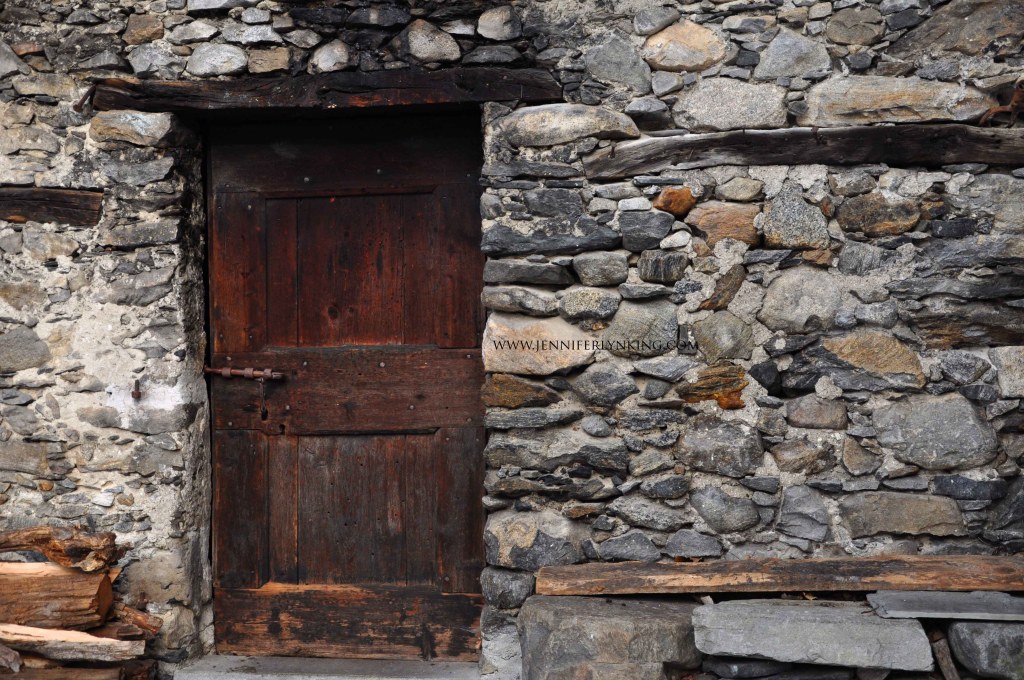
The cluster of what seemed to be abandoned stone buildings sat in a tight formation near the thermal springs higher up on the mountain.


A sign describes the process of drying chestnuts and preserving them.


The area in the Italian Alps is a place like no other. The people are friendly and helpful and welcoming, the food incredible, and the views beyond compare. Most impressive, to me, is how civilization has thrived among the clouds in the high Alps for centuries. The Italian Alps are a must-visit region of the world. The only problem is that once you have spent time there, it is almost impossible to want to leave.


Leave a Reply